
The Livers Role in Balancing Hormones

October 8, 2024
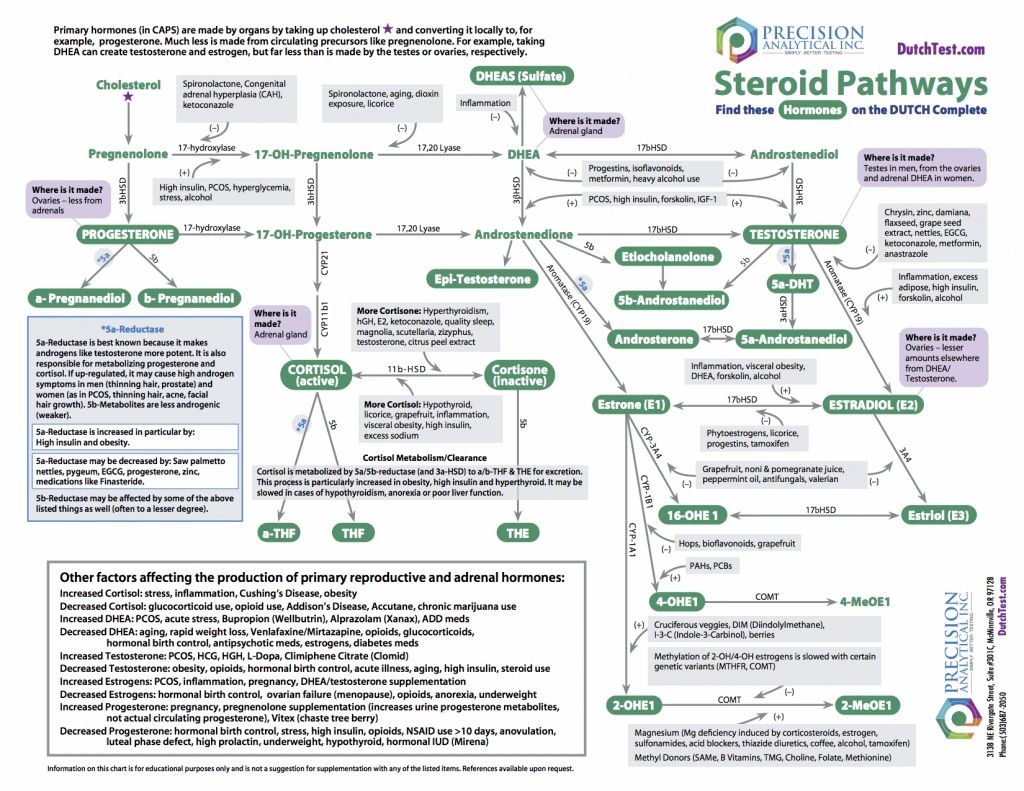
When we think of hormones, most of us imagine the glands like the thyroid or adrenals, but the liver is a silent powerhouse that plays a huge role in hormone regulation. Without a well-functioning liver, hormones can go haywire, leading to imbalances that affect energy, weight, mood, and overall health.
The liver is responsible for filtering and breaking down excess hormones, particularly estrogen. If the liver is overburdened by toxins, poor diet, or inflammation, it may not be able to effectively clear out excess hormones. This can lead to symptoms like weight gain, mood swings, or even hormone-related cancers.
Methylation: How the Liver Helps with Detox and Hormones
Methylation is a critical process the liver uses to detoxify harmful substances, including excess hormones. It adds a small chemical tag (a methyl group) to toxins and hormones to make them easier to eliminate. If your methylation pathways aren’t working well, you may struggle with detoxification, leading to a buildup of hormones like estrogen.
This is particularly important for people dealing with hormone imbalances. Poor methylation can contribute to high levels of circulating estrogen, a factor in issues like PMS, breast tenderness, fibroids, and even hormone-driven cancers.
Foods high in B vitamins—like leafy greens, eggs, and seeds—help support methylation. Additionally, certain supplements like methylated B vitamins (B6, B12, and folate) can be beneficial.
CyP1A1 Genetics: How Your Genes Impact Hormone Detox
Your genes play a role in how well your liver detoxifies hormones, particularly estrogen. One key gene in this process is CyP1A1, part of a group of enzymes known as the Cytochrome P450 family. This gene is responsible for breaking down estrogen into forms that are easier for your body to eliminate. If your CyP1A1 gene isn’t working efficiently due to genetic variations, you might have trouble clearing estrogen, which can lead to hormonal imbalance and estrogen dominance.
People with certain variations of the CyP1A1 gene might need to be extra careful with their liver health. Supporting the liver through a clean diet, reducing toxic load, and taking supplements that support liver function—like milk thistle or N-acetyl cysteine—can be especially important for those with CyP1A1 gene variations.
How to Support Your Liver for Healthy Hormones
To keep your liver functioning optimally and help balance your hormones, consider these tips:
- Eat a nutrient-rich diet: Focus on foods high in antioxidants, fiber, and B vitamins to support detoxification and methylation.
- Stay hydrated: Water helps flush toxins and excess hormones from your system.
- Reduce exposure to toxins: Cut down on processed foods, alcohol, and environmental toxins that burden your liver.
- Consider liver-supporting supplements: Milk thistle, dandelion root, and N-acetyl cysteine are known to support liver detox.
Understanding the connection between your liver, hormones, and even your genetics like CyP1A1 can help you take better care of your overall hormonal health.
Share this story


