
Autoimmune Disease and the Livers Role

October 16, 2024
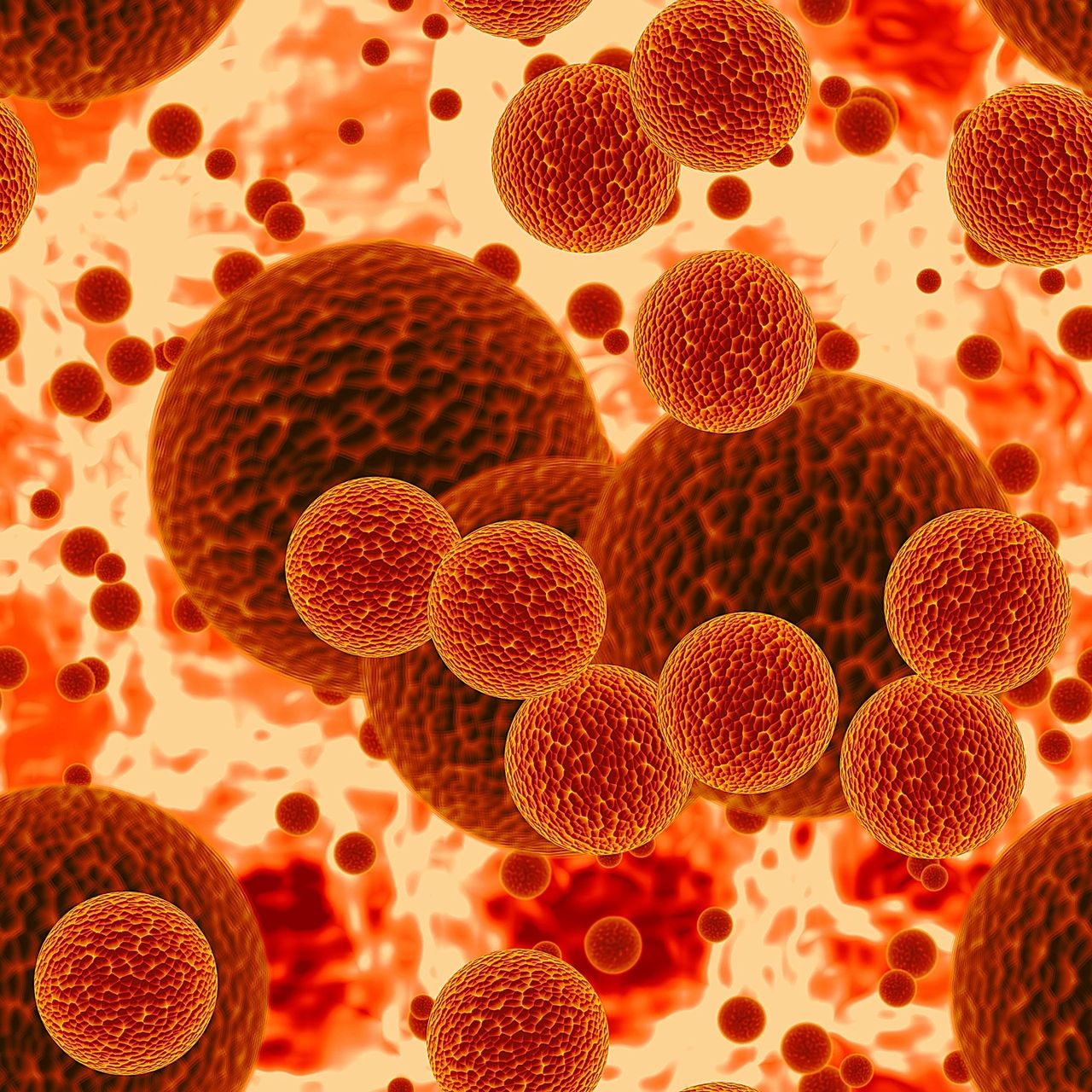
Kupffer Cells and Liver Health: The Immune Regulators
Kupffer cells are specialized macrophages located in the liver and are key players in the body's immune system. As part of the mononuclear phagocyte system, they are responsible for filtering pathogens, dead cells, and toxins from the blood. These cells are vital for maintaining immune homeostasis, but they can also play a role in liver inflammation and autoimmune disorders.
The Role of Kupffer Cells in Immune Function
Kupffer cells constantly monitor the blood for harmful substances. They engulf and destroy pathogens like bacteria, viruses, and fungi, preventing infections from spreading through the body. These cells also play an essential role in recognizing damaged or dying cells and help to clear them from the liver before they cause further issues.
When functioning correctly, Kupffer cells help prevent chronic inflammation by controlling immune responses. However, when they are over-activated - due to liver damage, toxin overload, or chronic infections - Kupffer cells can contribute to excessive inflammation, which is a key factor in autoimmune diseases.
Kupffer Cells and Autoimmune Disorders
Research has shown that the dysregulation of Kupffer cells is associated with the development of autoimmune diseases. When these cells become hyperactive, they can release large amounts of pro-inflammatory cytokines, such as TNF-alpha and IL-6, leading to a state of chronic inflammation. This inflammatory environment can trigger or exacerbate autoimmune diseases like lupus, rheumatoid arthritis, and autoimmune hepatitis.
- Kupffer Cells and Autoimmune Hepatitis: In autoimmune hepatitis, Kupffer cells are thought to contribute to the liver inflammation that characterizes the disease. A study published in Hepatology in 2010 found that Kupffer cells in patients with autoimmune hepatitis release higher levels of pro-inflammatory cytokines than in healthy individuals, contributing to liver damage and inflammation.
- Macrophages in Lupus: Research from Nature Reviews Rheumatology highlights that macrophages, including Kupffer cells, are implicated in lupus. The study suggests that in lupus, there is an imbalance in how macrophages clear apoptotic (dead) cells, leading to the accumulation of cellular debris that stimulates autoantibody production, worsening autoimmune attacks.
Kupffer Cells, Detoxification, and Inflammation
Kupffer cells also play a role in detoxification. By engulfing and neutralizing toxins that enter the liver, they protect the body from harmful substances that could trigger inflammatory responses elsewhere. However, chronic exposure to environmental toxins, poor diet, or alcohol can overwhelm these cells, leading to their dysfunction.
When Kupffer cells are overloaded, they release reactive oxygen species (ROS) and other inflammatory mediators, contributing to oxidative stress. This not only damages liver tissues but can also contribute to systemic inflammation, which is a major driver of autoimmune diseases.
Kupffer Cells and Gut Health: A Two-Way Street
Kupffer cells don't just influence the liver - they also play a role in gut health. When the gut barrier is compromised (as in "leaky gut syndrome"), toxins and bacteria enter the bloodstream, activating Kupffer cells in the liver. This can lead to further inflammation and immune dysregulation, creating a vicious cycle that is especially problematic for those with autoimmune diseases.
A 2016 study published in the Journal of Hepatology discussed how Kupffer cells are activated by bacterial products (such as lipopolysaccharides) that enter the liver from the gut, contributing to liver inflammation and worsening autoimmune conditions.
Future Research and Therapeutic Implications
Recent research is exploring how modulating Kupffer cell activity could help treat autoimmune diseases. Targeting these cells to reduce their inflammatory activity may hold promise for reducing autoimmune symptoms without suppressing the overall immune system.
For instance, a 2020 study in Cell Metabolism examined the use of anti-inflammatory agents that specifically target Kupffer cells in the treatment of non-alcoholic fatty liver disease (NAFLD), which shares common inflammatory pathways with autoimmune conditions. These findings could potentially lead to new treatments that alleviate chronic inflammation in autoimmune diseases by focusing on liver health and immune cell regulation.
Sources:
- Heymann, F., et al. (2010). Hepatology: Inflammatory Role of Kupffer Cells in Autoimmune Hepatitis.
- Davidson, A., & Diamond, B. (2010). Nature Reviews Rheumatology: Role of Macrophages in Lupus Pathogenesis.
- Szabo, G., & Bala, S. (2016). Journal of Hepatology: Gut-Liver Axis and the Role of Kupffer Cells in Inflammatory Liver Diseases.
- Lefebvre, E., et al. (2020). Cell Metabolism: Kupffer Cell-Targeted Therapies in Non-Alcoholic Fatty Liver Disease and Autoimmune Conditions.
Share this story


